
The Perception of Luck in Casino Games
One of the most prevalent myths surrounding casino games is the belief that luck plays an overwhelming role in determining the outcome of games. While it’s true that luck is a factor, many games also rely heavily on skill, strategy, and understanding of the odds. For instance, in games like poker, players who can read their opponents and calculate probabilities can significantly improve their chances of winning. Additionally, those looking for excitement might explore options like online pokies payid , which offer a mix of chance and strategy, leading to misconceptions about how these games truly work.
This myth can lead players to develop a gambling mindset that distances them from employing effective strategies. Many novices might approach slot machines with a sense of superstition, believing in lucky charms or specific rituals to influence their outcomes. However, it’s essential to recognize that the random number generators behind these machines ensure that each spin is independent and unaffected by previous results. This misconception can lead to frustration and loss when players find that luck alone doesn’t guarantee success.
Moreover, this myth can skew the understanding of probability and risk management. Players who overemphasize luck may take on more risk than they can afford, ultimately leading to negative financial consequences. Understanding the balance of risk and skill in games can empower players to engage more effectively, fostering a healthier approach to casino gaming. A well-rounded understanding can transform casino games from a mere gamble to a strategic challenge.
The House Edge: Is It Always in Favor of the Casino?
Another common myth is that the house always has a definitive and insurmountable edge over players in every game. While casinos do implement a house edge as a built-in advantage, the extent of this edge varies across different games and depends on the players’ skill levels. For example, in games like blackjack, knowledgeable players can significantly reduce the house edge by employing strategies such as basic strategy charts or card counting. This myth often deters players, as they may feel that winning is an impossible feat without realizing that some games allow for skillful play that can mitigate the house advantage.
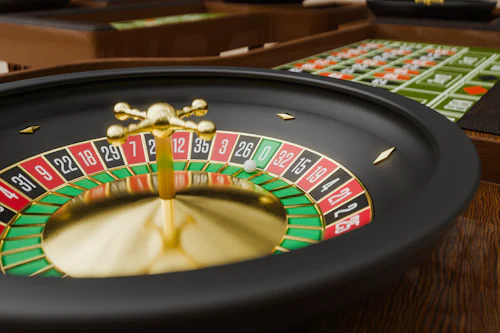
A misunderstanding of the house edge also leads to the belief that all games are equally fixed against players. While it is true that games like roulette do have a more substantial house edge, allowing for less player control, not all games follow this pattern. For instance, in sports betting or poker, the odds can vary based on extensive research and player expertise, allowing for potential profitability. Players must educate themselves on how to navigate these edges, as they significantly impact the likelihood of winning.
Furthermore, the belief that players will inevitably lose can lead to a defeatist attitude that discourages responsible gambling practices. By acknowledging that they can influence their outcomes, players may approach gaming with a more strategic mindset. A deeper understanding of the house edge empowers players to make informed decisions that can enhance their overall gaming experience and mitigate losses.
Strategies and Systems: Do They Work?
The myth that players can employ foolproof strategies or betting systems to guarantee wins has persisted for decades. Many gamblers invest in systems promising to maximize their winnings, often without fully understanding the fundamental principles of the games they are playing. For example, some players believe that the Martingale betting system, which involves doubling bets after losses, can lead to eventual success. However, this strategy essentially ignores the inherent randomness of games and can lead to devastating losses if players face a losing streak.
Additionally, some players fall prey to the allure of self-proclaimed experts who claim to have cracked the code to consistent winnings. The reality is that while systems can help manage bankrolls and make gameplay more enjoyable, no method can eliminate the inherent randomness of chance-based games. Understanding this aspect is crucial for maintaining a realistic approach to gaming. Players who invest time in learning how to play optimally rather than chasing after mythical systems often find greater satisfaction and success.
Ultimately, being aware of the limitations of strategies fosters a healthier mindset regarding casino games. It encourages players to focus on enjoying the experience and developing skills rather than solely fixating on outcomes. By dispelling the myth of guaranteed winning systems, players can shift their perspective towards a more sustainable and enjoyable gaming experience that emphasizes skill and understanding over luck.
Online Casinos vs. Physical Casinos: Is There a Big Difference?
Many players harbor myths about the differences between online and physical casinos, often believing that one offers significantly better odds than the other. In reality, while there are differences in the gaming experience, the underlying odds for games like slots or table games remain largely similar. The primary distinction lies in the convenience and variety of games available online. Players who believe that online casinos have a lower quality of games are often unaware of the extensive libraries and innovative experiences that digital platforms offer.

Furthermore, misconceptions about security and fairness in online casinos also exist. Many people fear that online games may be rigged or less honest compared to their physical counterparts. Reputable online casinos use sophisticated technology to ensure fair gameplay, including random number generators and regular audits by independent third parties. This level of transparency can often surpass that of physical casinos, where players may have less insight into the fairness of game mechanics.
Moreover, the convenience of playing from home can lead players to develop different gaming habits. Online gaming allows for flexible timing and play styles, which might encourage longer gaming sessions. Conversely, physical casinos offer a social experience that can enhance the thrill of gaming. Recognizing the nuances and advantages of both formats can help players choose the appropriate environment for their gaming preferences while debunking myths surrounding the safety and fairness of online gaming.
Exploring Responsible Gaming and the Role of Education
As players navigate the complex world of casino games, it becomes imperative to address the role of responsible gaming and education. Many misconceptions arise from a lack of understanding about the games and their inherent risks. Educating oneself about game mechanics, odds, and responsible gambling practices can significantly enhance the player’s experience, leading to more informed choices that prioritize enjoyment over financial loss. Online resources, tutorials, and forums can help bridge the knowledge gap for both novice and seasoned players.
Moreover, engaging with communities of players can promote a culture of support and shared knowledge. These communities often tackle common myths and misconceptions, encouraging a more balanced view of gaming. By fostering open discussions regarding strategies, game selections, and responsible gaming, players can cultivate a more enjoyable and less risky gaming experience. Understanding the psychological aspects of gambling, such as impulse control, can equip players with the tools they need to engage responsibly.
Ultimately, responsible gaming is about finding balance and enjoyment within the realm of casino games. Players who commit to ongoing education are more likely to make informed decisions, resist the lure of false myths, and cultivate a healthy relationship with gaming. By embracing responsible practices and prioritizing education, players can not only enhance their gaming experience but also contribute to a more responsible gambling landscape.